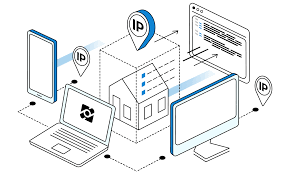
This article explains how datacenter (also known as server-based) proxy IPs work and highlights their differences from residential proxy IPs, including aspects such as traffic control, stability, and adaptability in dynamic environments. It’s ideal for readers interested in proxy IP technologies.
1. What Is a Datacenter/Server-Based Proxy IP?
A datacenter or server-based proxy IP is a type of proxy that uses IP addresses allocated and managed by data centers. These are often referred to as datacenter proxies.
2. Features of Datacenter/Server-Based Proxies
Unlike residential proxies, which route requests through devices using IPs assigned by Internet Service Providers (ISPs), datacenter proxies use IPs from their own server infrastructure. This allows for better control of traffic, improved connection speed, and enhanced stability.
3. How Do Datacenter Proxies Work?
Datacenter proxies typically rely on a simpler proxy architecture. Most of the time, they do not require rerouting requests through physical devices.
When you send a request to a website using a datacenter proxy, the request first goes through a proxy server in the data center. The proxy server replaces your original IP address with one from the proxy IP pool, then forwards the request to the target website. The response is returned the same way. Because your original IP is stripped out, the website cannot detect your real IP address.
4. How Do Dynamic Datacenter Proxies Work?
When using a datacenter proxy to access websites, although your real IP is hidden, websites may still identify the traffic as coming from a proxy server.
As many advanced websites are now able to detect the patterns of proxy usage and identify overlaps in user activity, frequent or shared use of the same proxy IP can lead to it being flagged or blocked.
In such cases, if you’re using a dynamic datacenter proxy, the system will automatically assign a new IP from the datacenter pool once a block or restriction is detected. This allows your browsing or data collection to continue without interruption.
5. Key Differences Between Residential and Datacenter Proxies
The core difference between the two lies in the origin of the IP address:
- Residential proxies use IP addresses from standard ISPs, typically assigned to DSL or cable connections. To websites or services, these IPs appear as real household users.
- Datacenter proxies, on the other hand, use IPs from secondary providers or data centers, and appear to websites as being from a server location rather than a real household.
When using proxy services like IPFoxy, you can identify the type of proxy IP you’re using through detection tools.
In general:
- Residential proxies are better for high-anonymity use cases and are more trusted by websites, often facing fewer restrictions.
- Datacenter proxies are more suitable for tasks that require high-speed, long-duration connections, and stable performance, such as data scraping, automation, or managing multiple accounts.
Residential proxies tend to be more reliable for complex or sensitive websites, while datacenter proxies offer affordable scalability and consistent speed.

 SRSPROXY IP SOLUTIONS
Leave a comment